
KURALON™ for cement reinforcement

In the past, asbestos was widely used to reinforce cement-based building materials. Following its complete ban, KURALON™ has been used as a safe and high-performance alternative reinforcing material.
By leveraging its strong adhesion to cement and excellent alkali resistance, KURALON™ provides high strength, high toughness, and long-term durability. In addition to its long-standing global track record as a key material for non-asbestos building materials, it continues to evolve today for use in next-generation lightweight, environmentally conscious building materials and newly developed applications.
Key Features
Why KURALON™ Works So Well in Cement-Based Building Materials
To effectively reinforce a cement matrix, it is essential that the fibers are firmly anchored to prevent pull-out and uniformly dispersed throughout the cement matrix.
● Strong Chemical Adhesion
KURALON™ is believed to adhere strongly to cement because the OH (hydroxyl) groups in its molecular structure form strong hydrogen bonds with moisture and hydration products in cement.
This chemical bonding force, in addition to physical anchoring effects, dramatically enhances the bending performance and toughness of building materials.
●Excellent Dispersibility Supported by Proprietary Manufacturing Technology
To ensure stable product quality, fibers must be uniformly dispersed in slurry (cement paste) without forming fiber balls.
Thanks to the proprietary technology and know-how cultivated by our company over many years, KURALON™ achieves excellent dispersibility in water and cement-based materials. This contributes to higher production yield and the manufacture of building materials with consistent quality.
●Excellent Alkali Resistance and Cold Resistance for Harsh Environments
Even in the strongly alkaline environment of cement, the fibers are resistant to degradation and maintain their initial reinforcing performance over a long period.
Furthermore, it has been demonstrated that the fiber itself does not exhibit any reduction in strength even under extremely low temperatures of -30°C, ensuring stable reinforcement performance in cold regions where freezing is a concern.
Benefits | Specific Value Delivered
Improved Bending Strength and Toughness
Even after cracking occurs, the fibers continue to bear stress and help prevent sudden failure. They contribute to improved energy absorption up to fracture, thereby enhancing toughness.
Crack Control and Freeze-Thaw Resistance
The fibers bridge microcracks, suppressing their initiation and propagation. This helps maintain the appearance of building materials and prevents water penetration into the interior.
In addition, the fiber’s ability to withstand extremely low temperatures improves resistance to freeze-thaw damage—cracking caused by repeated freezing and thawing of internal moisture—thereby contributing to a longer service life under severe climatic conditions.
Improved Impact Resistance and Reduced Chipping
Resistance to impact loads is improved, reducing losses caused by chipping and cracking during transportation from the factory, onsite installation, and actual service. This provides significant practical assurance in use.
Typical Applications | Widely Adopted in Japan and Overseas
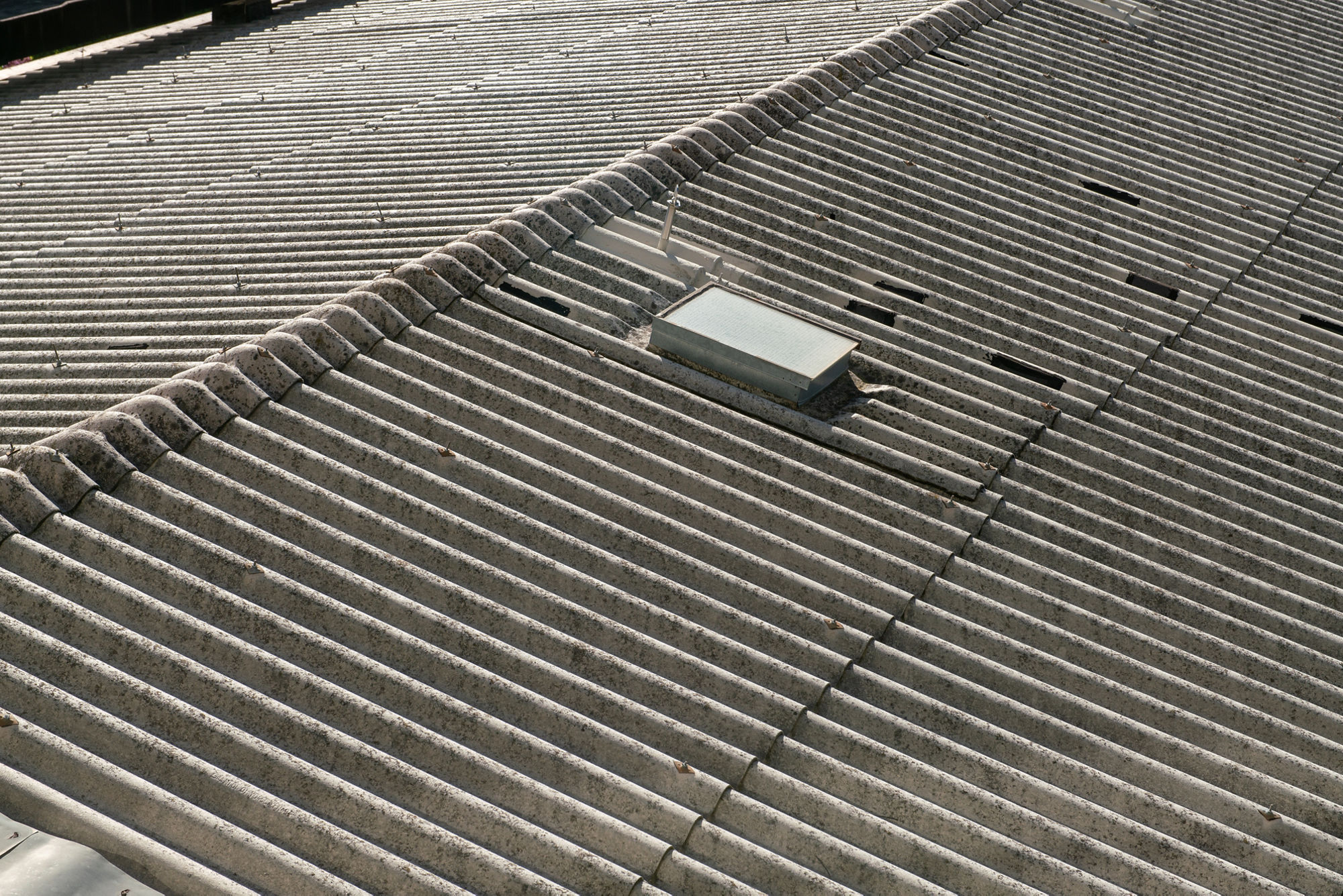
- Roofing and exterior materials (corrugated sheets, slate, reinforced cement roof tiles, etc.)
- Board products (flexible boards, facades, etc.)
- Architectural components (curtain walls, floor panels, secondary products, etc.)
- Interior and exterior finishing materials and mortar applications
Lightweight, Low-Carbon, and Environmentally Conscious
Contributing to Sustainable Building Material Design
Because KURALON™ has a high reinforcing effect, it enables the thinning and weight reduction of building materials as well as the reduction of cement usage, thereby expanding options for lowering CO₂ emissions in manufacturing and transportation processes.
It has also been confirmed that when used together with environmentally conscious replacement materials such as ground granulated blast furnace slag (GBFS), fly ash, and calcium carbonate, KURALON™ helps secure the required bending performance and toughness in such formulations.
Joint Development and Global Network
Continually Creating New Applications
We have extensive sales achievements and a strong network with cement and building material manufacturers around the world. Building on this foundation, we are actively promoting joint development with major companies both in Japan and overseas.
In addition to improving the performance and environmental compatibility of existing building materials such as extruded cement panels, we are steadily advancing large-scale projects directly linked to commercialization and implementation, including pilot-scale testing and the optimization of materials and processes, in the pursuit of entirely new applications for cement- and building-material reinforcing fibers.
Safety and Technical Support
Safety
We can provide detailed explanations based on public evaluations and internal data.
When using this product, please refer to the Safety Data Sheet (SDS), and ensure appropriate dust control measures during secondary processing such as cutting and grinding.
Technical Support
We provide more than just materials. In close cooperation with our technical departments, we offer strong support ranging from the design of the optimal fiber specification tailored to the customer’s application, manufacturing process, and target performance, to the consideration of formulation design directions.
